June 26, 2026
Managing your home climate effectively requires a proactive approach to mechanical efficiency and regular system care. Many homeowners struggle with rising utility costs during the peak summer months without understanding the underlying causes. Implementing strategic adjustments to your daily routine can dramatically lower power consumption while maximizing indoor comfort levels. Modern cooling technology relies on a delicate balance of airflow, electrical precision, and structural insulation integrity. By taking control of these variables, you can protect your equipment from premature operational failure. This guide explores practical methods designed to optimize your existing setup and reduce environmental strain. Taking small preventive steps today ensures your living space remains a cool haven all summer long. Let us examine the most effective strategies for enhancing the performance of your air conditioning system.
Understanding Seasonal Performance Metrics
Evaluating your home cooling system requires a clear understanding of seasonal performance metrics to ensure low utility bills. The Seasonal Energy Efficiency Ratio serves as the standard baseline for determining how effectively a cooling unit performs over months of hot weather. When you learn how to measure this output, you can easily determine if your older equipment needs an immediate upgrade. Most modern installations carry a visible label detailing this specific rating so consumers can make an informed financial purchase. Higher air conditioning performance values mean your system converts electricity into cold air much more effectively during summer waves. Choosing a system with a premium seasonal rating can save homeowners thousands of dollars over a single decade. If you notice your current metrics falling below standard baseline requirements, professional calibration might be necessary. Improving these baseline operational values is one of the most effective ways to lower your monthly home carbon footprint.
Assessing Regional Temperature Needs
Selecting a high-efficiency cooling setup means you must closely evaluate your regional temperature needs and climate challenges. Certain areas experience prolonged periods of extreme heat that require equipment capable of handling massive, continuous thermal loads. For these specific environments, real-time high-temperature performance metrics become far more critical than broad seasonal averages. Homeowners living in arid or tropical zones should prioritize components designed to thrive under intense operational strain. A targeted matching process ensures that your climate demands do not prematurely wear down essential mechanical parts. Balancing real-time thermal capabilities with your local weather patterns creates a perfectly optimized indoor living environment. Understanding how your regional weather interacts with mechanical capacity allows you to avoid costly over-sizing mistakes. This localized strategic planning provides reliable comfort and prevents unexpected system breakdowns when the weather gets severe.
Monitoring Daily Wear Trends
Watching your system for signs of continuous mechanical degradation helps prevent major performance losses over time. Internal components naturally experience friction, alignment shifts, and electrical resistance as they work through consecutive summer months. Common indicators of structural decline include sudden strange sounds, rapid cycling patterns, and weak airflow from vents. Scheduling timely inspections catches these minor structural changes before they compromise your overall household energy budget. Resolving minor mechanical wear immediately protects sensitive electronic components from experiencing fatal high-voltage electrical surges. Routine tracking of system operational behavior allows homeowners to maintain factory-level cooling output for many years. Neglecting subtle changes in performance usually forces the compressor to work much harder than originally designed. Proactive awareness regarding physical wear ensures your indoor climate remains perfectly stable through every heatwave.
Sealing Damaged Ventilation Paths
Unchecked leakage within your home air distribution system can completely negate the benefits of a premium cooling unit. When cold air escapes into unconditioned spaces like attics or crawlspaces, your machinery must run much longer. According to the home improvement experts at This Old House, keeping your ventilation paths properly sealed can boost your overall cooling efficiency by up to 20 percent. Repairing these hidden gaps stops expensive conditioned air from being lost before it ever reaches your living areas. Technicians utilize specialized mastic compounds and metal-backed tapes to permanently close these structural ventilation splits. Professional sealing also prevents dusty attic air from entering the duct system and polluting your breathing space. Eliminating these internal airflow leaks balances air pressure throughout your entire home layout seamlessly. Upgrading your home infrastructure requires this vital step to protect your modern air conditioning unit.
Scheduling Timely Professional Tune-Ups
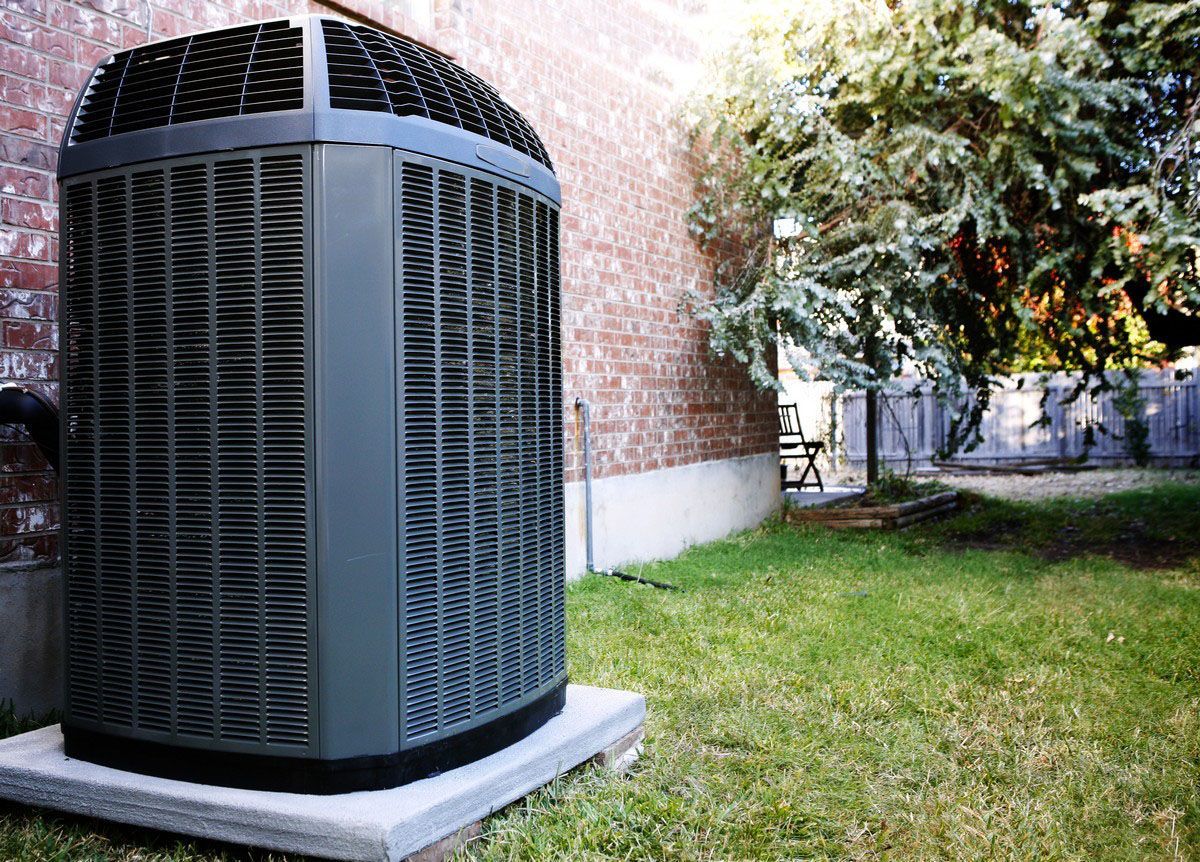
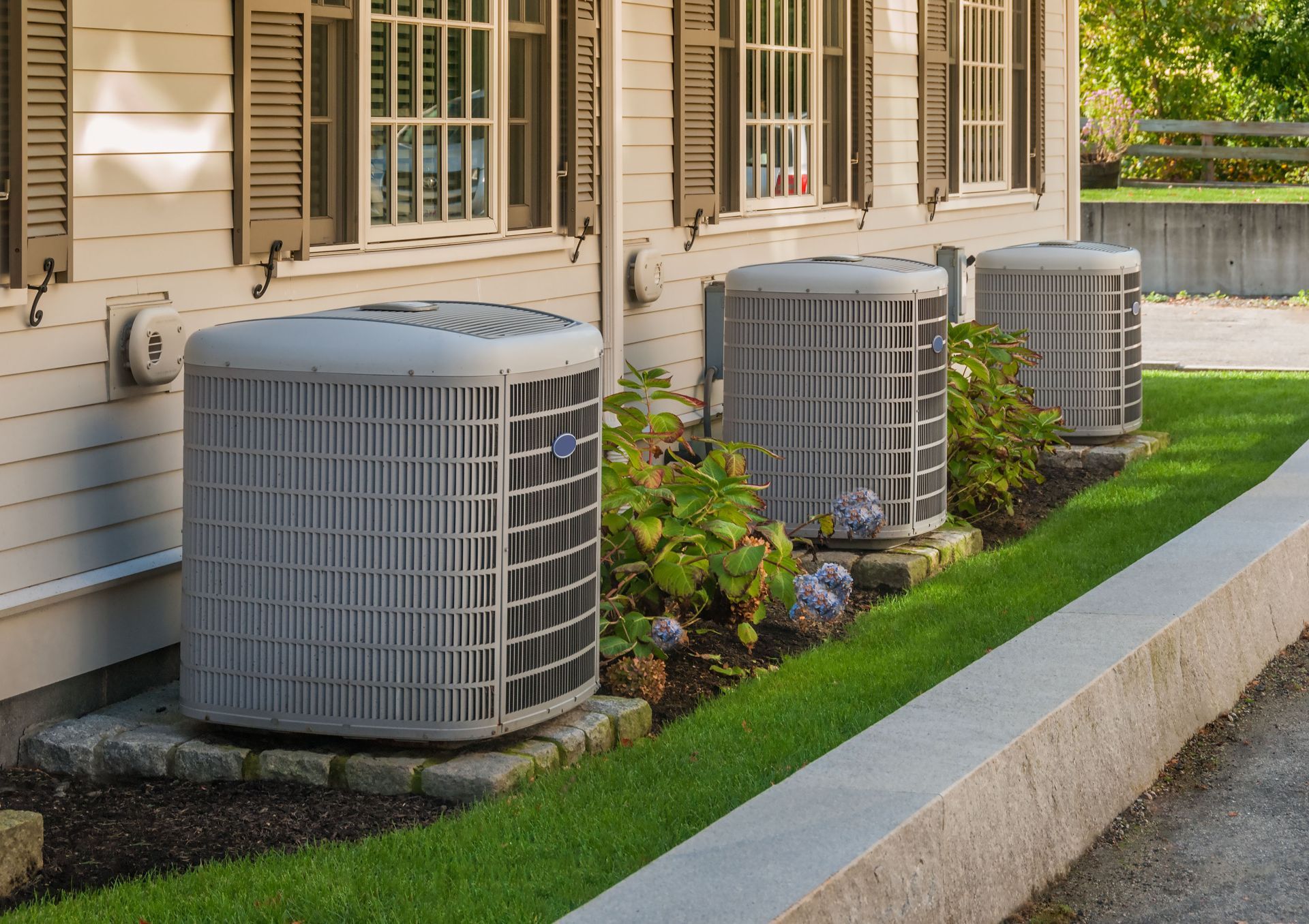
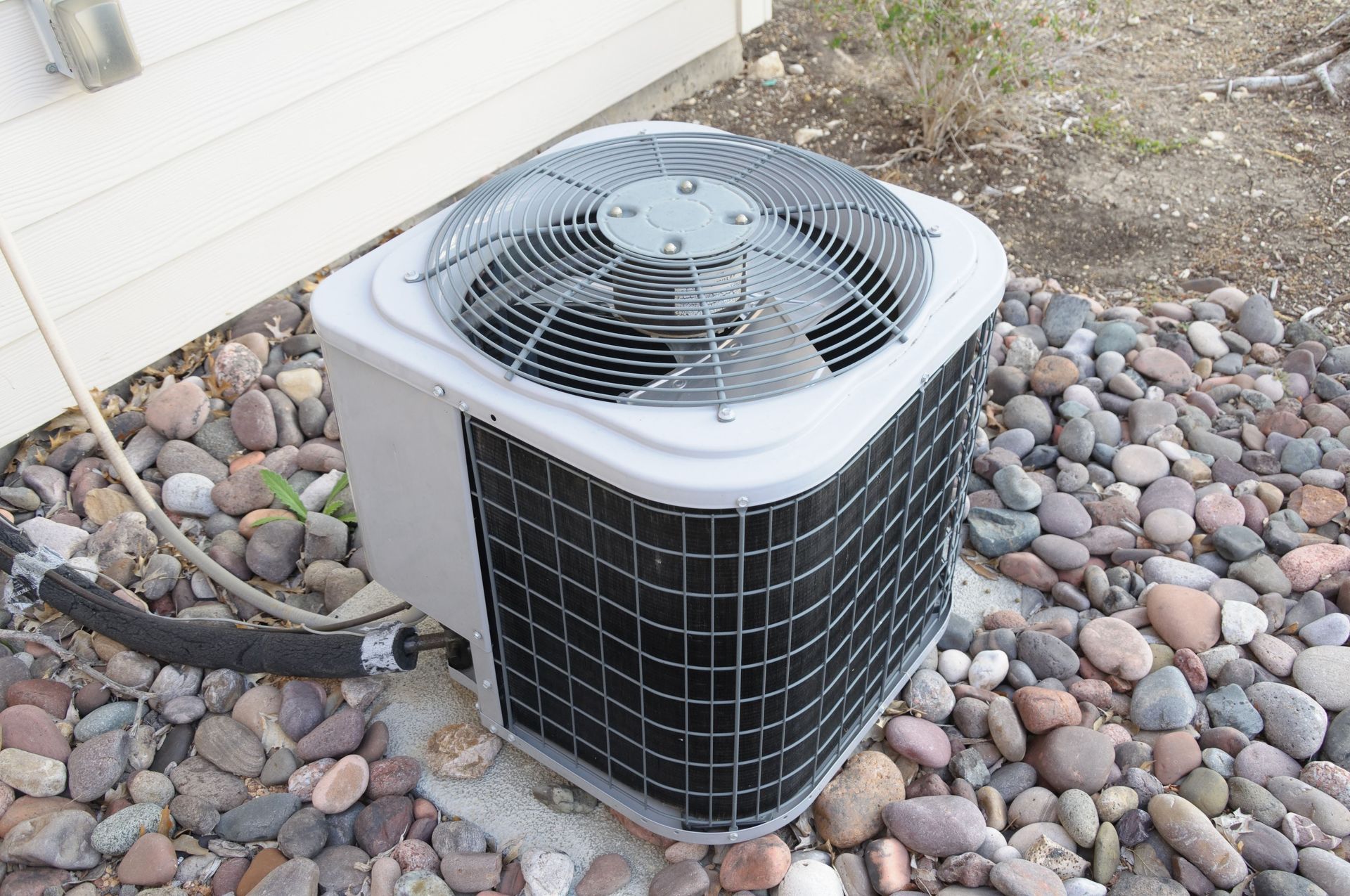
Committing to an annual professional inspection schedule keeps your cooling system operating at peak factory specifications. Certified technicians possess the specialized tools required to clean internal condenser coils and measure electrical draw accurately. Removing layers of outdoor dirt from the air conditioning condenser allows heat to dissipate quickly into the environment. These routine tune-ups identify minor component faults before they transform into expensive system failures mid-summer. Fine-tuning the mechanical components lowers internal friction and reduces the energy required to spin large fans. Regular professional maintenance also provides an opportunity to verify that all safety controls operate correctly. Homeowners who prioritize seasonal check-ups enjoy lower operating costs and a much more reliable system. Investing in preventative professional care pays for itself by preventing unexpected emergency service calls.
Maintaining Filter Cleanliness Regularly
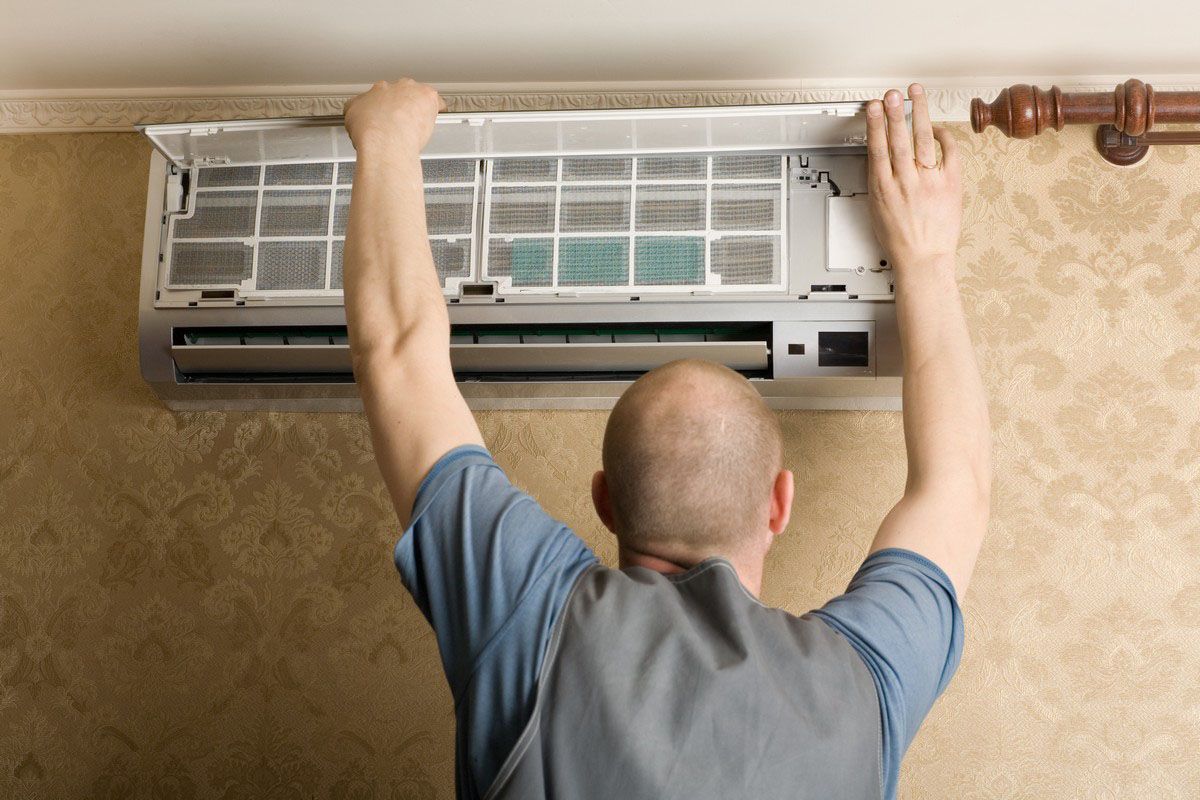
Replacing your home air filters at prescribed intervals is the simplest way to protect your cooling system from efficiency drops. Clogged filters act as physical barriers that severely restrict the volume of air entering the main building ventilation pathways. When airflow drops below safe levels, the system cannot transfer heat effectively, and the coil may freeze. This restricted operation forces the compressor to run continuously while consuming excessive amounts of electricity. Homeowners should check filter surfaces every thirty days, especially during high-use summer months or if pets reside indoors. Installing clean filters immediately restores proper operational pressure and improves your indoor air quality significantly. This basic maintenance task takes less than two minutes but prevents thousands of dollars in mechanical damage. Keeping filters completely clean ensures your system operates at its highest baseline performance level.
Balancing Refrigerant Charge Exactness
Maintaining the exact volume of chemical refrigerant specified by the manufacturer is crucial for proper thermodynamic heat transfer. Low refrigerant levels, usually caused by slow pinhole leaks, prevent the system from absorbing heat efficiently from indoor air. This chemical imbalance forces the entire system to run longer cycles to achieve basic target temperatures. Conversely, overcharged air conditioning systems suffer from high internal pressures that can permanently damage the main compressor motor. Certified technicians must use calibrated gauges to measure and balance this chemical charge perfectly during service visits. Fixing the underlying source of a refrigerant leak protects the environment from harmful chemical emissions. Keeping your system properly charged ensures maximum cooling delivery for every watt of electricity used. Correct chemical balancing remains a fundamental pillar of high-efficiency residential cooling operations.
Optimizing your residential climate infrastructure requires a comprehensive approach that combines diligent maintenance, smart technology, and strategic operational habits. Every minor adjustment you implement helps lower monthly utility bills, extend machinery lifespans, and reduce your total environmental impact. Consistent professional attention ensures your home remains a comfortable, efficient sanctuary through the most intense summer heatwaves. If you want to make sure your home stays perfectly cool and energy efficient all year long, contact the professional team at R.J. Staso Heating & Air Conditioning today for expert system upgrades, maintenance, and reliable diagnostic services tailored to your needs. Making informed decisions regarding your cooling systems guarantees reliable home comfort and stable financial savings for many years to come. Contact us today!